
Health Library
Amoxicillin For a Tooth Infection: Benefits & Side Effects
January 6, 2026
Question on this topic? Get an instant answer from August.
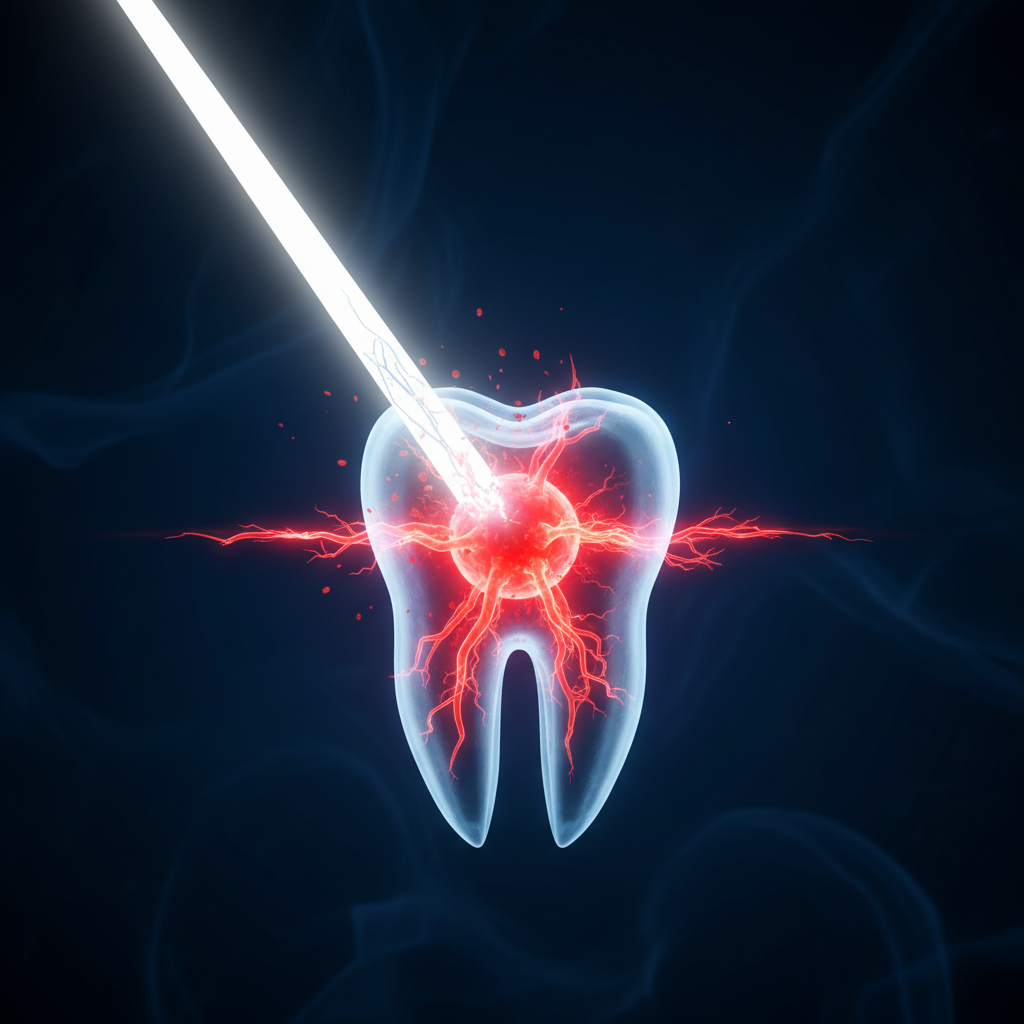
So, does amoxicillin help with a tooth infection? Absolutely. It’s one of the most commonly prescribed antibiotics for dental issues. And is amoxicillin good for treating tooth pain caused by infection? When used correctly as part of a larger treatment plan, it plays a critical role in getting you out of pain and back to health.
Why Does My Tooth Hurt So Much? Understanding Tooth Infections
First, let’s get one thing straight: not every toothache is an infection. You might have pain from a lost filling, a cracked tooth, teeth grinding, or sensitive gums. These issues need a dentist, but they don’t typically require antibiotics.
The kind of pain that leads people to ask about amoxicillin for toothache is usually caused by a bacterial infection deep within the tooth or gums. This happens when harmful bacteria find a way into areas they shouldn’t be. The most common entry points are:
- Untreated Cavities: A small cavity can deepen over time, allowing bacteria to breach the tooth’s hard enamel and dentin layers and reach the sensitive inner pulp, which contains nerves and blood vessels.
- Cracked or Chipped Teeth: A crack from an injury or biting down on something hard can create a direct highway for bacteria to invade the tooth’s core.
- Advanced Gum Disease: In severe periodontitis, the gums pull away from the teeth, creating deep pockets where bacteria can thrive and attack the tooth’s root and supporting bone source.
When these bacteria multiply unchecked, your body’s immune system rushes to fight them off. The resulting battleground—a lovely mix of dead bacteria, white blood cells, and tissue—forms a pocket of pus known as a dental abscess.
An abscess is the source of that severe, throbbing pain. Key symptoms include:
- Intense, persistent, throbbing pain that can radiate to your jaw, neck, or ear.
- Extreme sensitivity to hot and cold temperatures.
- Pain when chewing or applying pressure.
- A foul taste in your mouth or bad breath.
- Swelling in your cheek or jaw.
- A small, pimple like bump on your gums near the painful tooth.
If these symptoms sound familiar, you’re likely dealing with more than just a simple toothache. You’re dealing with a dental infection.
When Are Antibiotics Like Amoxicillin Actually Necessary?
Even if you have an abscess, a dentist might not immediately prescribe antibiotics for tooth infection. If the infection is small and contained within the tip of the tooth root, the dentist may be able to treat it simply by performing a root canal or extraction.
So, when are antibiotics necessary for a toothache? Antibiotics become essential when there are clear signs of a spreading tooth infection. Your dentist will prescribe them if they see evidence that the infection is no longer localized to the tooth and is beginning to affect surrounding tissues or your overall health.
These “red flag” symptoms are your body’s alarm bells, and you should never ignore them:
- Fever and Chills: A sign that your body is fighting a systemic infection.
- Significant Swelling: Swelling that extends into your face, cheek, or down into your neck.
- Swollen Lymph Nodes: You might feel tender lumps under your jaw or on your neck.
- Feeling Unwell: General malaise, fatigue, or just feeling “sick” is a major indicator.
- Difficulty Swallowing or Breathing: This is a medical emergency. An infection spreading to the floor of your mouth or neck can obstruct your airway. If this happens, go to the nearest emergency room immediately source.
If you are experiencing any of these symptoms alongside your tooth pain, you likely need antibiotics for tooth pain and swelling to get the infection under control before a dentist can safely perform the necessary dental procedure.
How Amoxicillin Fights a Tooth Infection (And How Quickly It Works)
So, your dentist has confirmed you have a spreading infection and has prescribed amoxicillin. How does it actually work?
Amoxicillin is a broad spectrum antibiotic from the penicillin family. Its job is simple but effective: it kills bacteria. Specifically, it works by attacking the cell walls of the bacteria, causing them to break down and die source. By wiping out the bacteria causing the abscess, amoxicillin for tooth infection reduces the overall bacterial load, which in turn helps decrease swelling, stop the infection from spreading, and ultimately, relieve your pain.
This leads to the million dollar question: how long does amoxicillin take to work for toothache?
While you might wish for instant relief, the medication needs a little time. Most people begin to feel a noticeable improvement in their symptoms—less pain, reduced swelling—within 24 to 72 hours of starting the medication.
However, this is a critical point: even if you feel completely better, you must finish the entire prescribed course. Your prescription will typically be for 5 to 10 days. Stopping early is a huge mistake. The initial improvement happens because the weakest bacteria are killed off first. The stronger, more resilient bacteria remain. If you stop taking the antibiotic, these tougher bacteria can multiply and come roaring back, often as a more severe infection that is resistant to the first round of treatment.
The Golden Rule: Why Antibiotics Alone Will Not Cure Your Toothache
This is the single most important section of this article. Please read it carefully.
A common and dangerous misconception is that a course of antibiotics will make the toothache go away for good. Many people wonder, will a tooth infection go away with antibiotics alone?
The answer is an unequivocal NO.
Think of your infected tooth like a splinter. The antibiotics can clear up the redness and infection around the splinter, but they can’t remove the splinter itself. As soon as you stop taking the medication, the source of the irritation is still there, and the infection will inevitably return.
In a tooth, the source of the infection is the dead or dying nerve tissue and bacteria trapped inside the tooth’s pulp chamber and root canals. Because the blood supply to this inner tissue is compromised or completely gone, the antibiotics circulating in your bloodstream can’t effectively reach the “splinter” to eliminate it. The medicine can only control the infection that has spread into the surrounding bone and gums.
This is why antibiotics are only a temporary fix—a bridge to get you to the real solution. The definitive dental abscess treatment that will actually cure the problem involves your dentist removing the source of the infection. This is typically achieved through one of three procedures:
- Incision and Drainage: The dentist makes a small cut in the gum to drain the pus from the abscess, providing immediate relief from pressure and pain.
- Root Canal Therapy: The dentist removes the infected pulp from inside the tooth, cleans and disinfects the canals, and then seals the space. This saves your natural tooth.
- Tooth Extraction: If the tooth is too damaged to be saved, it will need to be pulled to completely remove the source of the infection.
Without one of these procedures, the infection will keep coming back, potentially leading to more serious complications. The question isn’t if it will come back, but when.
Dosages, Side Effects, and Alternatives
When you’re prescribed amoxicillin for tooth infection, your dentist will determine the correct dosage based on the severity of your condition and your medical history.
A common amoxicillin dosage for tooth infection for adults is 500 mg taken three times a day (every 8 hours). However, this is just an example. You must follow the exact instructions on your prescription bottle. Never alter your dose or schedule without consulting your dentist or doctor.
Like any medication, amoxicillin can have side effects, which are usually mild. The most common include nausea, diarrhea, and abdominal pain. If you experience a rash, hives, or difficulty breathing, you could be having an allergic reaction and should seek medical help immediately.
What if you’re allergic to penicillin? Don’t worry, there are effective alternatives. If you have a known allergy, it is crucial to inform your dentist. They may prescribe a different class of antibiotic. The most common alternative for penicillin for toothache is clindamycin for tooth infection. Other options include Azithromycin (Z-Pak) or Metronidazole, which may be used in combination with other antibiotics for particularly stubborn infections.
How to Safely Manage Pain While You Wait for Treatment
Knowing that antibiotics take a day or two to kick in can feel discouraging when you’re in agony right now. Thankfully, there are safe and effective ways to manage the pain while you wait for your dental appointment and for the medication to start working.
Here are some dentist-approved home remedies for tooth infection pain:
- Over-the-Counter Pain Relievers: Non-steroidal anti-inflammatory drugs (NSAIDs) like ibuprofen (Advil, Motrin) or naproxen (Aleve) are often the best choice. They don’t just block pain signals; they also reduce the inflammation that is a major source of dental pain source.
- Warm Salt Water Rinse: Dissolve half a teaspoon of salt in a glass of warm water and gently swish it around your mouth for 30 seconds before spitting it out. This can help soothe the area, draw out some of the fluid from the abscess, and keep the area clean.
- Cold Compress: Apply a cold pack or a bag of frozen peas wrapped in a towel to the outside of your cheek for 20 minutes at a time. This can help numb the area and reduce swelling and inflammation.
These methods can provide significant temporary relief, making the wait for your dental appointment far more bearable.
The Takeaway: Your Dentist Is Your First Call
Let’s circle back to our original question: is amoxicillin for toothache the right move?
It is a vital part of the treatment for a spreading bacterial infection, but it is not a painkiller and it is not a cure. It buys you time by controlling the infection so your dentist can safely and permanently fix the underlying problem.
Final Warning: Never, ever use leftover antibiotics from a previous illness or borrow them from a friend. You could be taking the wrong medication, the wrong dose, or an expired drug, all of which can be dangerous and contribute to the global problem of antibiotic resistance. The only safe way to get antibiotics for tooth infection is through a prescription from a qualified dental or medical professional after a proper examination.
Your Call to Action: If you have a severe toothache, especially if it’s accompanied by facial swelling, fever, or feeling unwell, your next step is clear.
Contact an emergency dentist immediately. It is the only way to ensure safe, effective treatment and lasting relief.
Health Companion
trusted by
6Mpeople
Get clear medical guidance
on symptoms, medications, and lab reports.