
Health Library
Does Head and Shoulders Cause Hair Loss? Here Is Truth
February 17, 2026
Question on this topic? Get an instant answer from August.
No, Head and Shoulders does not cause hair loss. In fact, it may actually help reduce hair shedding by keeping your scalp healthier. But it makes sense that you would worry. You are putting something on your head every day, and if you notice more hair in drain, your shampoo becomes first suspect.
Why Do People Think Head and Shoulders Causes Hair Loss?
This concern usually starts when someone notices hair falling out around same time they begin using shampoo. It is easy to connect those two things. But timing does not mean one caused other.
Most of time, the hair shedding was already happening before shampoo switch. Dandruff itself can contribute to hair thinning. The scalp inflammation and itching that come with dandruff can weaken hair follicles over time. Scratching your itchy scalp can also physically damage hair and pull it out.
So when you start using Head and Shoulders and still notice shedding, shampoo is likely not cause. The underlying dandruff or scalp condition probably started problem before you reached for bottle.
What Is in Head and Shoulders That Matters?
The active ingredient in most Head and Shoulders products is zinc pyrithione, also called pyrithione zinc. It is classified as an antifungal and antibacterial agent. It works by targeting a type of yeast called Malassezia that naturally lives on your scalp.
When Malassezia grows too much, it triggers an inflammatory response. That inflammation leads to flaking, redness, and itching. Zinc pyrithione keeps this yeast in check and calms the scalp down.
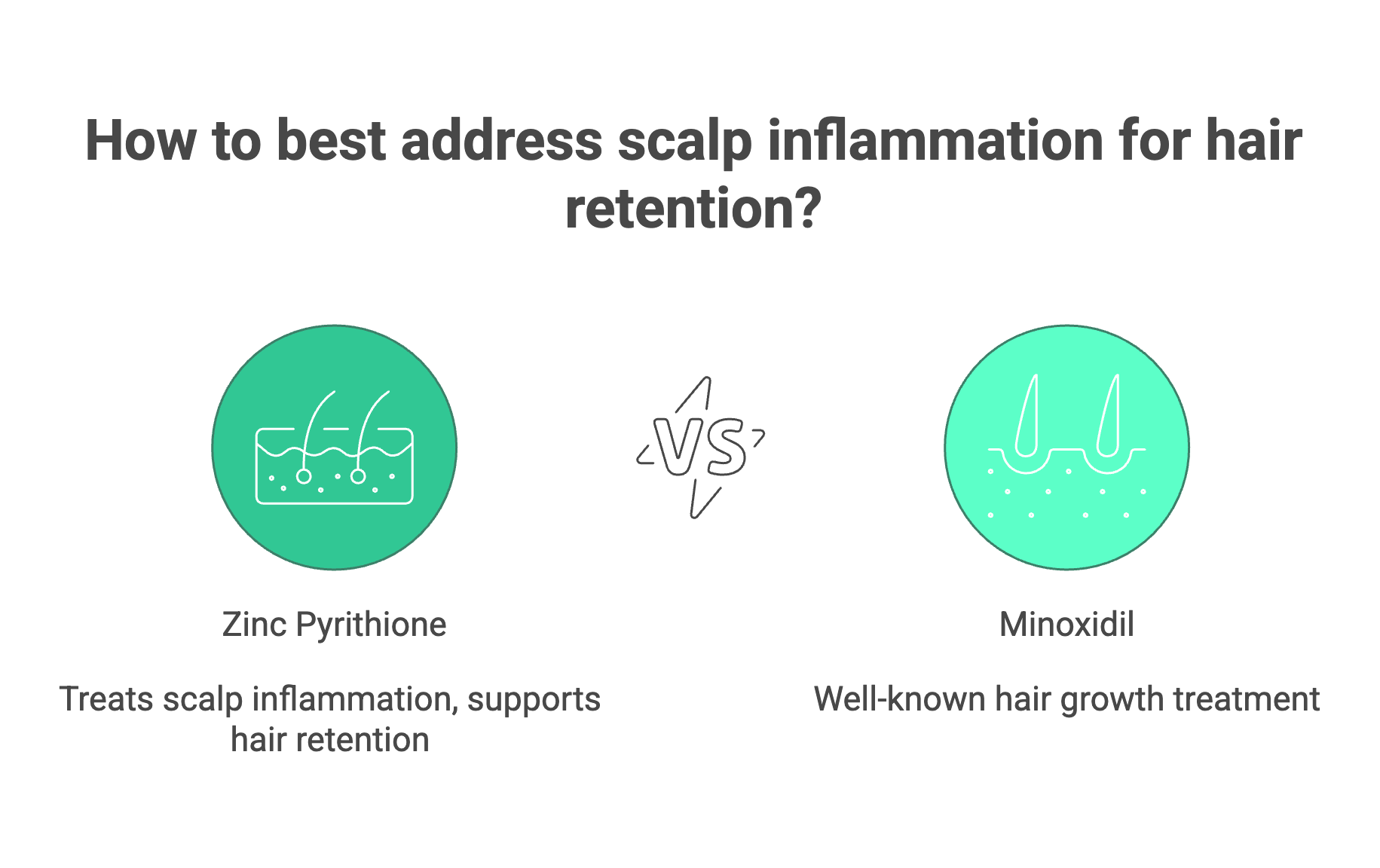
A clinical study involving 200 men found that daily use of a 1% zinc pyrithione shampoo led to a modest but real increase in visible hair count over 26 weeks. The researchers compared it with minoxidil (a well known hair growth treatment) and a placebo shampoo. Zinc pyrithione did not match minoxidil, but it did outperform placebo. This suggests that treating scalp inflammation may support better hair retention.
So evidence actually points in opposite direction of what many people fear.
Can Any Shampoo Ingredient Cause Hair Loss?
While zinc pyrithione itself is considered safe, some people do have sensitivities to other ingredients in shampoos. These reactions are not unique to Head and Shoulders. They can happen with any hair product.
Here are a few ingredients that can sometimes irritate scalp.
- Sodium lauryl sulfate (SLS). This is a common cleansing agent. It can strip natural oils from the scalp and cause dryness or irritation in some people, especially with frequent use.
- Fragrances. Synthetic fragrances can trigger contact dermatitis in people with sensitive skin. This creates redness, itching, and sometimes flaking that looks a lot like dandruff.
- Preservatives like methylisothiazolinone. Some Head and Shoulders formulas contain this preservative. It is a known allergen for a small number of people.
If you develop new scalp irritation, redness, or increased shedding after using any shampoo, it could be a sensitivity reaction rather than a direct effect of the active ingredient. Switching to a fragrance-free or sulfate-free dandruff shampoo may help.
That said, these reactions are uncommon. Most people use Head and Shoulders without any issues at all.
What Actually Causes Hair Loss?
If you are losing hair, it helps to know common reasons. Shampoo is rarely culprit. Hair loss typically comes from deeper biological factors.
Here are some of most common causes.
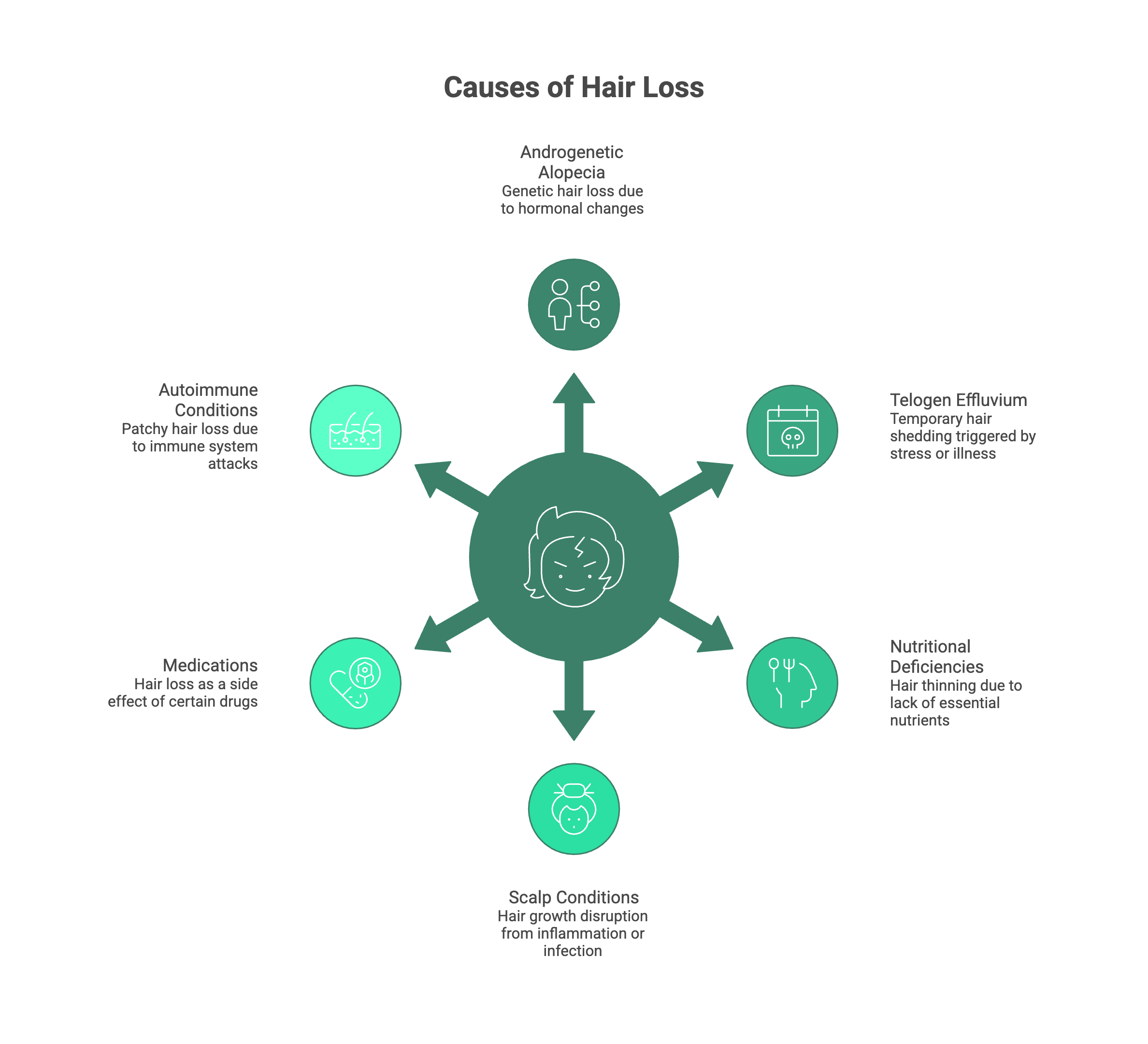
- Androgenetic alopecia. This is most common type of hair loss. It is genetic and affects both men and women. It happens when hair follicles gradually shrink over time due to hormonal changes.
- Telogen effluvium. This is temporary but noticeable hair shedding. It can be triggered by stress, illness, surgery, rapid weight loss, or hormonal shifts like postpartum changes.
- Nutritional deficiencies. Low levels of iron, zinc, biotin, or vitamin D can contribute to hair thinning.
- Scalp conditions. Seborrheic dermatitis, psoriasis, and fungal infections can all affect hair growth if left untreated. Chronic inflammation weakens the follicles and disrupts the normal hair growth cycle.
- Medications. Certain drugs, including blood thinners, antidepressants, and chemotherapy medications, can cause hair loss as a side effect.
In rare cases, autoimmune conditions like alopecia areata can cause patchy hair loss. This happens when immune system mistakenly attacks hair follicles. It is unrelated to shampoo use.
If your hair loss feels sudden, severe, or patchy, it is a good idea to see a dermatologist. They can help figure out root cause and recommend right treatment.
Could Dandruff Itself Be Causing Your Hair Loss?
Yes, it can. This is the part many people overlook. Dandruff is more than just flakes. It is an inflammatory condition. When your scalp stays inflamed for a long time, it can affect health of your hair follicles.
The constant itching also plays a role. When you scratch your scalp frequently, you risk damaging hair at root. Over time, this can lead to noticeable thinning, especially around areas you scratch most.
Research published by the National Institutes of Health shows that scalp conditions like dandruff and seborrheic dermatitis create oxidative stress on scalp. This oxidative stress can damage the hair before it even emerges from follicle. Treating scalp condition, whether with zinc pyrithione or another medicated ingredient, can help reverse this process.
So in many cases, using an anti dandruff shampoo like Head and Shoulders is actually part of solution rather than problem.
When Should You See a Doctor?
Most dandruff responds well to otc shampoos. But there are times when you should talk to a healthcare provider.
- Your dandruff does not improve after several weeks of consistent use of medicated shampoo.
- You notice patches of hair loss, especially round or coin-shaped spots.
- Your scalp becomes very red, swollen, or painful.
- You see scaly, crusty, or oozing areas on your scalp.
- Hair loss seems to be getting worse over time despite treating your dandruff.
A dermatologist can examine your scalp, run tests if needed, and rule out conditions like psoriasis, fungal infections, or alopecia areata.
The Bottom Line
Head and Shoulders does not cause hair loss. The active ingredient, zinc pyrithione, is designed to reduce scalp inflammation and fight yeast that causes dandruff. Research suggests it may even support hair retention by keeping scalp in better condition.
If you are losing hair, the cause is more likely related to genetics, stress, nutrition, or an underlying scalp condition rather than your shampoo. Treating your dandruff is an important step toward healthier hair, and a medicated shampoo is a reasonable place to start.
For a deeper understanding of how scalp conditions like dandruff and dermatitis affect skin health, this government resource explains it clearly: Seborrheic Dermatitis. You can also learn more about hair loss causes and when to seek help here: Hair Loss and Its Causes. For a closer look at how inflammatory skin conditions like eczema relate to scalp health and irritation Dermatitis Eczema. And for more on how contact reactions to products can sometimes mimic dandruff or cause scalp discomfort Contact Dermatitis Explained.
Health Companion
trusted by
6Mpeople
Get clear medical guidance
on symptoms, medications, and lab reports.