
Health Library
Does Tirzepatide Cause Diarrhea? Rates, Timing, and Tips
February 21, 2026
Question on this topic? Get an instant answer from August.
Yes, diarrhea is a recognized side effect of tirzepatide. In clinical trials for both Mounjaro and Zepbound, diarrhea was reported by roughly 12 to 22% of people taking medication, depending on dose. That makes it one of top three gastrointestinal side effects alongside nausea and vomiting. The good news that for most people, it is mild to moderate, temporary, and tends to improve once body adjusts to medication.
How Common Is Diarrhea on Tirzepatide?
According to FDA prescribing information for Mounjaro on DailyMed, diarrhea listed among most frequently reported adverse reactions. Across SURPASS clinical trials for type 2 diabetes, which included over 6,000 participants, diarrhea affected between 12 and 22% of people on tirzepatide compared to lower rates in placebo and comparator groups.
In SURMOUNT weight loss trials, pattern was similar. Gastrointestinal side effects were most common category overall, and diarrhea was consistently among top three reported events.
The rates tend to increase with higher doses. People on 10 mg and 15 mg doses reported diarrhea more frequently than those on 5 mg starting dose. This one reason doctors start you at 2.5 mg and increase gradually every four weeks.
Why Does Tirzepatide Cause Diarrhea?
Tirzepatide works by activating two receptors in your gut: GLP-1 and GIP. Both of these receptors are deeply involved in how your digestive system processes food.
GLP-1 activation slows down gastric emptying, which means food stays in your stomach longer than usual. While this helps you feel full and eat less, it also changes rhythm of how your entire digestive tract moves things along. When stomach holds food longer, intestines sometimes respond by speeding up their own motility. That mismatch can trigger loose stools or diarrhea.
The GIP receptor adds another layer. GIP plays a role in nutrient absorption and gut motility. When both receptors are activated simultaneously, combined effect on digestive system stronger than with a GLP-1 drug alone. This is why gastrointestinal side effects with tirzepatide are somewhat more common than with single-receptor medications.
Your gut also has to adapt to receiving less food overall. When you go from eating full meals to eating much smaller portions, change in volume, fiber intake, and fat content can all disrupt normal bowel patterns.
When Does It Usually Start?
Most people experience diarrhea during dose escalation phase, meaning first several weeks to months of treatment as dose gradually increases from 2.5 mg up to maintenance dose.
The pattern typically looks like this: diarrhea appears or worsens within first few days after a dose increase, lasts for several days to a couple of weeks, and then settles as body adjusts. Each time dose goes up, there is a chance of a temporary flare, but for majority of people it becomes less frequent over time.
In SURMOUNT trials, researchers noted that GI side effects were most common during dose escalation and resulted in treatment discontinuation in only 1 to 10.5% of participants. That means vast majority of people were able to continue treatment.
Is It Dangerous?
For most people, tirzepatide related diarrhea is not dangerous. It is uncomfortable, but it resolves on its own. However, there is one important complication to watch for: dehydration.
Frequent diarrhea, especially when combined with nausea and vomiting (which can also occur with tirzepatide), can lead to significant fluid and electrolyte loss. Dehydration can cause dizziness, dark urine, headaches, dry mouth, and fatigue. In more severe cases, it can stress kidneys.
The FDA label specifically warns about dehydration-related kidney problems in patients taking tirzepatide. This does not mean everyone will experience this. But it means you should take fluid intake seriously, especially during early weeks of treatment or after dose increases.
What Helps Manage It?
There are several practical strategies that can reduce severity and frequency of diarrhea while your body adjusts.
Stay hydrated. This is most important step. Drink water throughout day. If diarrhea is frequent, add an oral rehydration solution or electrolyte drink to replace sodium, potassium, and other minerals you are losing. Dehydration can sneak up on you, especially if nausea is making it hard to eat or drink. This article on soothing an upset stomach discusses which beverages may help and which ones to avoid.
Eat smaller, blander meals. Large meals, fatty foods, and spicy dishes can all make diarrhea worse. Stick to smaller portions of easy-to-digest foods like rice, bananas, plain toast, chicken breast, and cooked vegetables during flare-ups.
Limit sugar alcohols and artificial sweeteners. Sorbitol, mannitol, and xylitol, which are found in sugar-free gums, candies, and protein bars, can have a laxative effect. When your gut is already sensitive from tirzepatide, these can push things over edge.
Avoid high fat and greasy foods. Fat takes longer to digest and can worsen motility disruption that tirzepatide causes. Reducing fried foods and heavy sauces during dose escalation can make a noticeable difference.
Talk to your doctor about slowing titration. If diarrhea severe or significantly affecting your quality of life, your doctor may recommend staying at a lower dose for an extra four weeks before increasing. A slower escalation gives your gut more time to adapt.
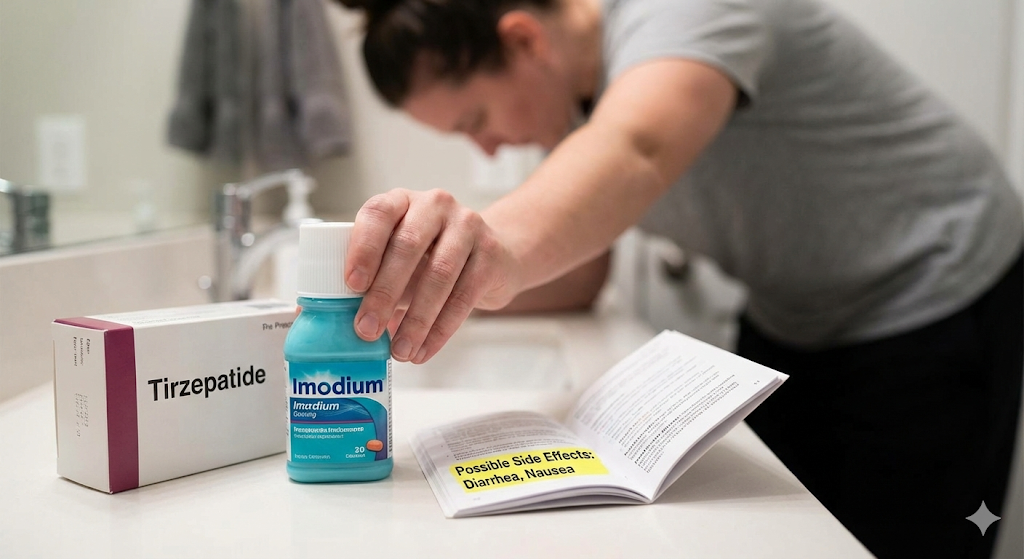
Otc options. Loperamide (Imodium) can help manage acute episodes. Some people keep it on hand for first few days after each dose increase. Your doctor can advise whether this appropriate for you.
What About Other GI Side Effects?
Diarrhea rarely shows up in isolation. Many people on tirzepatide also experience nausea, bloating, gas, abdominal discomfort, or sulfur burps. These tend to follow same pattern of appearing during dose escalation and improving over time. If sulfur burps are something you are dealing with, this guide on Zepbound and sulfur burps explains why they happen and what helps.
The combination of GI symptoms can feel overwhelming in early weeks. But clinical data consistently shows that these side effects are transient for most people. They are your body adjusting to a new medication, not a sign that something going wrong.
When Should You Call Your Doctor?
Reach out to your healthcare provider if diarrhea is severe (more than four to five watery stools per day), lasts longer than a few days without improving, comes with blood or mucus, accompanied by fever or severe abdominal pain, or if you are showing signs of dehydration like very dark urine, dizziness, or rapid heartbeat.
These situations are uncommon, but they deserve prompt attention. Your doctor may adjust your dose, recommend temporary medication, or run tests to rule out other causes.
Bottom Line
Diarrhea affects roughly one in five people taking tirzepatide, but it is usually mild, temporary, and manageable. It tends to peak during dose escalation and improve as your body adapts. Staying hydrated, eating smaller meals, and working with your doctor on titration speed are most effective ways to get through it. For most people, GI side effects settle well before full benefits of medication take effect.
Health Companion
trusted by
6Mpeople
Get clear medical guidance
on symptoms, medications, and lab reports.