
Health Library
Does Zoloft Make You Gain Weight?
January 6, 2026
Question on this topic? Get an instant answer from August.
So, let’s get right to it.
The short answer is yes, Zoloft can cause weight gain for some people. However, it’s not a guarantee, the amount is typically modest, and it’s often manageable with proactive strategies.
Does Zoloft Actually Cause Weight Gain? What the Research Shows
When you’re looking for answers about medication, it’s best to look at the data. So, does Zoloft make you gain weight according to the science?
Multiple studies have explored the connection between Zoloft and body weight, and the findings are fairly consistent. Weight gain is a possible side effect, but it tends to be gradual and more noticeable with long-term use.
A large-scale review of various antidepressants found that, on average, people taking Zoloft experienced minimal weight changes in the short term. However, long-term use can lead to more noticeable changes. One comprehensive study published in the Journal of Clinical Psychiatry observed that patients on sertraline gained an average of about 0.5 pounds after six months, which increased to around 3.2 pounds after 24 to 36 months source.
It’s crucial to remember that these are just averages. Many people in these studies gained no weight at all. This highlights that sertraline weight gain isn’t inevitable; it’s a potential outcome influenced by many factors.
When compared to other common antidepressants, Zoloft falls somewhere in the middle of the spectrum for SSRI weight gain. * It generally causes less weight gain than drugs like Paxil (paroxetine) or Remeron (mirtazapine) source. * Its risk is considered similar to other popular SSRIs like Lexapro (escitalopram) and Celexa (citalopram). * It’s more likely to cause weight gain than Wellbutrin (bupropion), which is in a different class of antidepressants and is sometimes associated with weight loss.
Why Might Zoloft Lead to Weight Changes?
If you do experience weight changes, you might be wondering, “why does Zoloft cause weight gain?” The answer isn’t a single, simple mechanism. Instead, it’s a combination of how the medication interacts with your brain, body, and even your mood.
Here are the primary theories:
1. Serotonin and Appetite: Zoloft is a Selective Serotonin Reuptake Inhibitor (SSRI). Its main job is to increase the amount of serotonin—a key neurotransmitter—available in your brain. While this is great for improving mood and reducing anxiety, serotonin also plays a big role in regulating appetite. Initially, higher serotonin levels can actually suppress appetite and cause nausea, which is why some people lose a little weight when they first start. Over time, however, the brain adapts. For some individuals, this long-term change can lead to an increased desire for carbohydrate-rich foods like bread, pasta, and sweets source. This complex relationship between Zoloft and appetite is a key factor.
2. A Sign of Recovery: For many people struggling with depression or severe anxiety, a loss of appetite and unintentional weight loss are common symptoms. As Zoloft begins to work and your mood improves, you might simply start enjoying food again. Your appetite returns, you find more pleasure in eating, and as a result, you regain the weight you lost while you were unwell. In this context, weight gain can be a positive sign that your treatment is working.
3. Changes in Energy and Metabolism: One of the most common Zoloft side effects is fatigue or drowsiness. If the medication makes you feel more tired than usual, you might be less inclined to engage in physical activity. This decrease in daily movement, combined with no change in your calorie intake, can naturally lead to weight gain over time. There is also some early research suggesting SSRIs might subtly influence the body’s metabolic rate, though this connection is not yet fully understood source.
Key Factors That Influence Weight Gain on Zoloft
Your experience with Zoloft will be unique. Whether you gain weight, and how much, depends on a mix of factors, including:
- Duration of Treatment: As the research shows, sertraline weight gain is much more common with long-term use (more than six months). Short-term use is less likely to have a significant impact on your weight.
- Dosage: The link between Zoloft dosage and weight gain isn’t perfectly linear, but some evidence suggests that higher doses may be more likely to contribute to weight changes in certain individuals.
- Individual Factors: Your personal biology and lifestyle play a huge role. Genetics, your baseline weight, your age, and your gender can all influence your susceptibility. Some studies suggest women may be more prone to antidepressant weight gain than men.
- Lifestyle Habits: Your existing diet, exercise routine, and sleep patterns are powerful predictors. Someone who already has solid healthy habits in place may be better equipped to manage this potential side effect.
How to Manage or Prevent Weight Gain While Taking Zoloft
If you’re concerned about this side effect, the good news is you have a lot of power to influence the outcome. The conversation shouldn’t just be about “does Zoloft make you gain weight?” but also “how to control weight gain on Zoloft.” The strategies are straightforward and benefit your mental and physical health in countless ways.
Here are five practical tips to avoid gaining weight on Zoloft:
1. Focus on a Nutrient-Dense Diet: You don’t need a restrictive diet. Instead, focus on filling your plate with whole, unprocessed foods. * Lean Protein: Chicken, fish, beans, and lentils help you feel full and satisfied. * High Fiber: Vegetables, fruits, and whole grains stabilize blood sugar and prevent intense cravings. * Healthy Fats: Avocado, nuts, and olive oil support brain health and satiety. * Mindful Eating: Pay attention to your body’s hunger and fullness cues. Eating slowly and without distractions can help prevent overeating.
2. Get Moving Every Day: Regular physical activity is a powerhouse for both mental and physical health. It helps offset potential metabolic slowdowns, burns calories, and is a proven mood-booster. * Aim for the recommended 150 minutes of moderate-intensity exercise per week (think brisk walking, cycling, or swimming) source. * Find an activity you genuinely enjoy so it doesn’t feel like a chore. * Incorporate strength training two to three times a week to build muscle, which helps boost your metabolism.
3. Prioritize Quality Sleep: Poor sleep is a known driver of weight gain. It messes with the hormones that control your appetite—ghrelin (the “I’m hungry” hormone) and leptin (the “I’m full” hormone). Aim for 7-9 hours of quality sleep per night to keep these hormones in balance.
4. Stay Hydrated (with the Right Fluids): Drinking plenty of water is essential. It supports metabolism, helps you feel full, and prevents you from mistaking thirst for hunger. Try to limit sugary sodas, juices, and excessive alcohol, as these can add hundreds of empty calories to your day.
5. Talk to Your Doctor About Timing: If Zoloft makes you feel drowsy, talk to your doctor about taking it at night. This simple switch can help you feel more energetic during the day, making it easier to stay active.
Are There Antidepressants Less Likely to Cause Weight Gain?
If you’re actively managing your lifestyle but still experiencing significant weight gain that bothers you, it’s a valid concern to discuss with your healthcare provider. You have options.
While Zoloft is a highly effective medication for many, there are antidepressants that cause less weight gain. Your doctor can help you weigh the pros and cons of each.
- Lower-Risk Options: Wellbutrin (bupropion) is often associated with weight loss or no weight change. Antidepressants like Prozac (fluoxetine) and Luvox (fluvoxamine) are also generally considered to have a lower risk of causing weight gain compared to others in the SSRI class.
- Higher-Risk Options: Medications more commonly linked to significant antidepressant weight gain include Paxil (paroxetine), Remeron (mirtazapine), and older tricyclic antidepressants like amitriptyline source.
Switching medications is a significant decision and should only be done under the guidance of your doctor.
When to Talk to Your Doctor
Open communication with your healthcare provider is the most important part of your treatment plan. You should schedule a conversation if:
- You experience rapid or significant weight gain (e.g., more than 5-7% of your starting body weight).
- The weight gain is impacting other health conditions, like high blood pressure or diabetes.
- The concern about weight gain is causing you significant distress or making you want to stop your medication.
Crucial Safety Note: Never stop taking Zoloft or change your dose on your own. Abruptly stopping an SSRI can lead to discontinuation syndrome (withdrawal symptoms) and a potential relapse of your depression or anxiety symptoms. Your doctor can help you create a plan to taper off safely if you decide together that a change is needed. Discussing all Zoloft side effects with them is key to finding the right path forward.
The Takeaway: Balancing Your Health
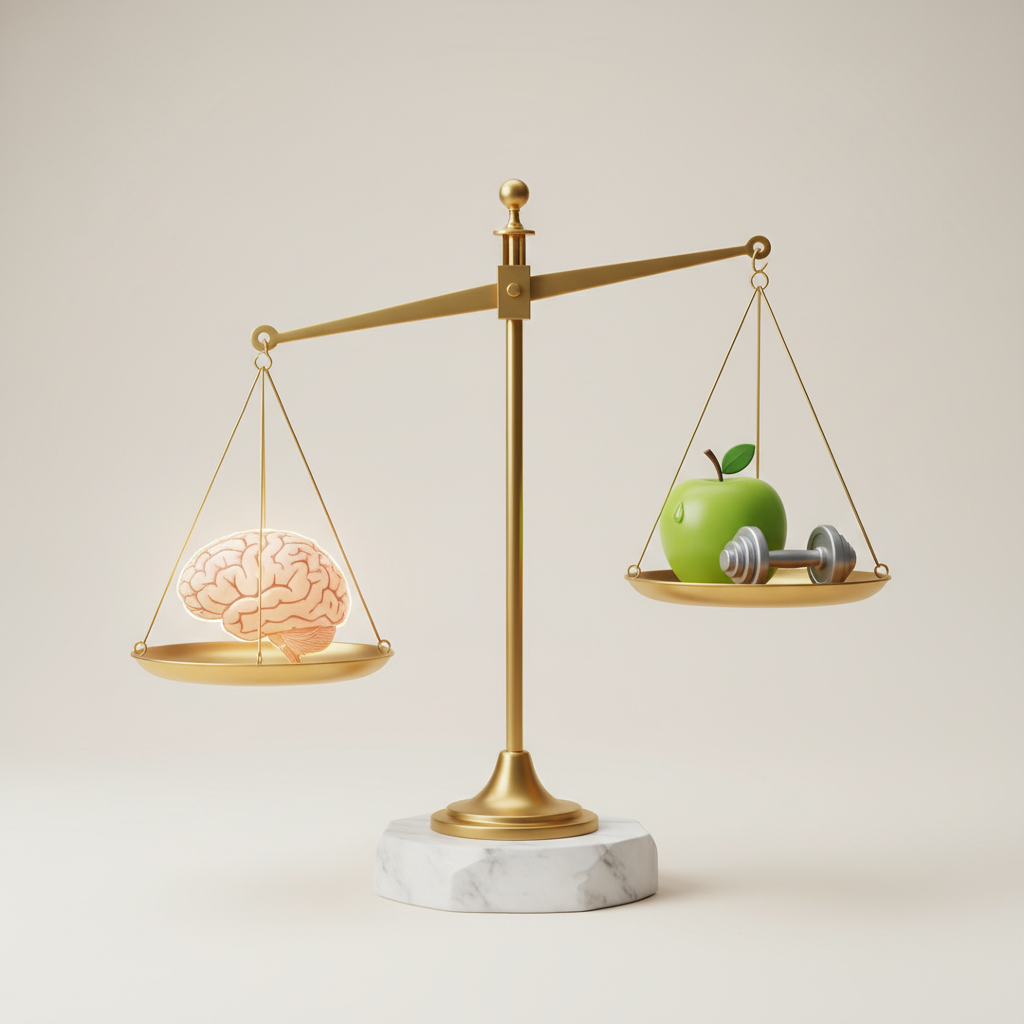
So, does Zoloft make you gain weight? It can, but it’s far from a certainty. For many, the benefit of treating a debilitating mental health condition far outweighs the manageable risk of gaining a few pounds.
By understanding the connection between Zoloft and appetite, adopting healthy lifestyle habits, and maintaining an open dialogue with your doctor, you can take control. You can effectively manage your mental health and your physical health at the same time. The goal is a treatment plan that helps you feel like yourself again—in every way.
Health Companion
trusted by
6Mpeople
Get clear medical guidance
on symptoms, medications, and lab reports.