
Health Library
Foods to Avoid While Taking Cymbalta
January 6, 2026
Question on this topic? Get an instant answer from August.
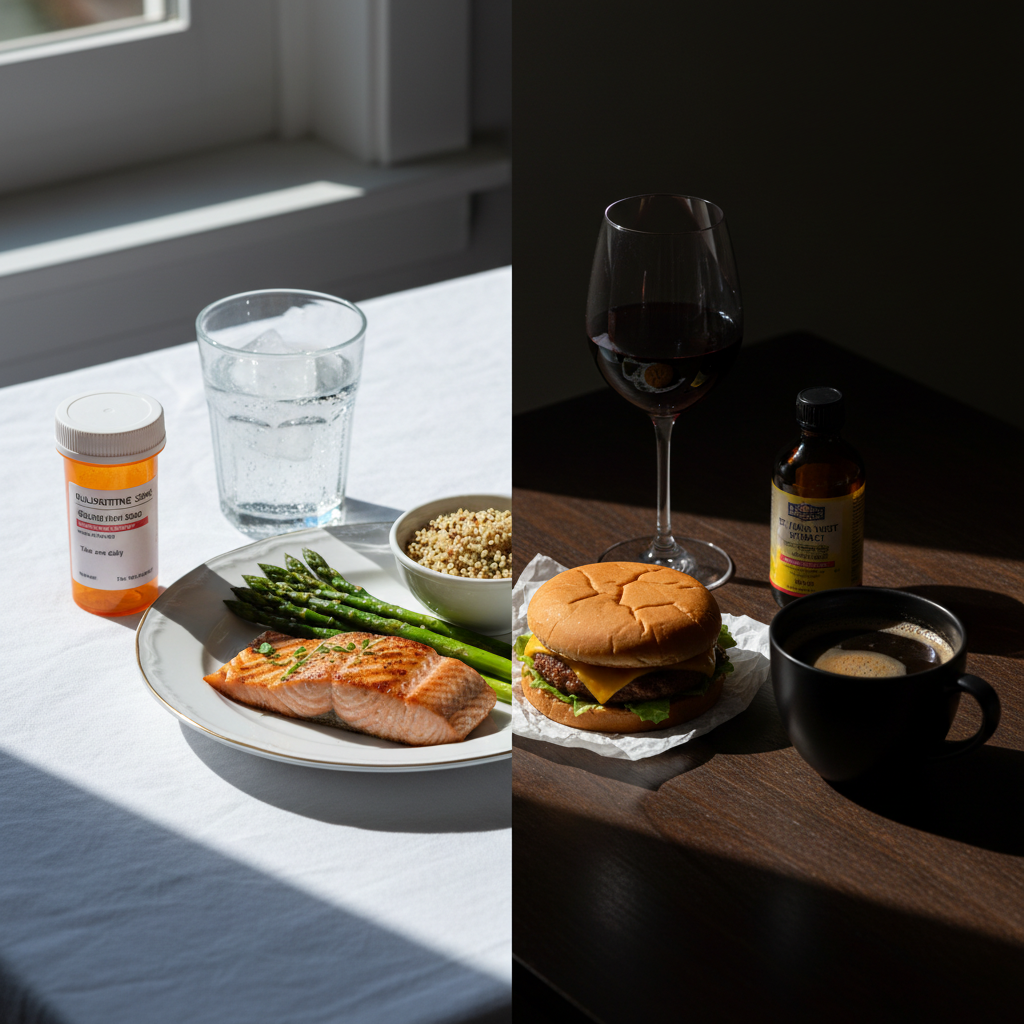
The #1 Substance to Avoid with Cymbalta: Alcohol
Let’s start with the most important one. If there is a single substance you should strictly avoid while taking Cymbalta, it’s alcohol. The combination isn’t just a bad idea—it can be genuinely dangerous. Here’s why the interaction between Cymbalta and alcohol is so critical to understand.
1. Serious Risk of Liver Damage
Your liver is your body’s primary filtration system, and it’s responsible for processing both Cymbalta and alcohol. When you consume them together, you’re essentially putting your liver into overdrive. The official FDA prescribing information for Cymbalta includes a strong warning about this, noting that taking duloxetine with substantial alcohol use may be associated with severe liver injury (source). Combining them increases the risk of developing liver problems, from inflammation to more permanent damage.
2. Worsening Depression and Anxiety
Alcohol is a central nervous system depressant. It might provide a temporary feeling of relief, but it ultimately can worsen the very symptoms of depression and anxiety that Cymbalta is prescribed to treat. It works against your medication, potentially canceling out its benefits and making you feel more lethargic, hopeless, or anxious in the long run.
3. Intensified Side Effects
Alcohol can significantly amplify some of the most common Cymbalta side effects. Do you ever feel a little drowsy or dizzy on your medication? Alcohol will make that much worse, increasing your risk of accidents or falls. It can also exacerbate other issues like nausea and sexual dysfunction. For the sake of your physical safety and mental well-being, steering clear of alcohol is the smartest and safest choice.
Be Mindful of Caffeine Intake
Here’s some good news for coffee and tea lovers: you likely don’t have to give up your favorite morning ritual. Unlike alcohol, caffeine is not a hard “no.” However, moderation is key when it comes to Cymbalta and caffeine.
Most health experts, including the FDA, recommend that healthy adults limit their caffeine intake to around 400 milligrams per day—that’s roughly three to four 8-ounce cups of coffee (source). This is a good guideline to follow while on Cymbalta.
Going overboard with caffeine can cause problems for a few reasons:
- Increased Risk of Serotonin Syndrome: Both Cymbalta and high doses of caffeine can increase serotonin levels in the brain. While a normal amount of coffee is unlikely to cause a problem, excessive intake could theoretically contribute to an elevated risk of a rare but serious condition called serotonin syndrome. We’ll discuss the serotonin syndrome symptoms in more detail later.
- Heightened Anxiety and Jitters: If you’re taking Cymbalta for generalized anxiety disorder, consuming too much caffeine can be counterproductive. It can trigger feelings of nervousness, a racing heart, and jitteriness, mimicking or worsening your anxiety symptoms.
- Worsened Side Effects: Too much caffeine can also intensify potential Cymbalta side effects like insomnia, nausea, or an upset stomach. If you’re struggling with sleep, try to have your last caffeinated beverage before 2 p.m.
The takeaway: Enjoy your coffee, but keep it within a moderate range and pay attention to how your body feels.
Foods That Can Worsen Common Side Effects
Now let’s talk about the primary list of foods to avoid while taking Cymbalta. This isn’t about dangerous interactions but rather about managing your comfort and quality of life. Some of Cymbalta’s most common side effects are gastrointestinal issues (like nausea and constipation) and increased sweating. Certain foods can pour gasoline on those fires.
Spicy Foods
If you’re a fan of hot wings or fiery curries, you might want to dial back the heat for a while, especially when you first start your medication. The connection between spicy food and Cymbalta side effects is twofold:
- Nausea: Cymbalta can cause nausea, particularly in the first few weeks. Spicy foods contain capsaicin, a compound that can irritate the stomach lining and worsen this feeling (source).
- Excessive Sweating (Hyperhidrosis): Increased sweating is another well-documented side effect. Spicy foods also trigger a sweating response in the body. Combining the two can lead to uncomfortable and excessive perspiration.
High-Fat and Fried Foods
That greasy burger and fries might sound tempting, but they could be a recipe for discomfort. The issue with fatty food and Cymbalta is all about digestion.
High-fat and fried foods are notoriously slow to digest. They sit in your stomach longer, which can trigger or worsen several common Cymbalta side effects:
- Nausea and Bloating: Slowed gastric emptying can leave you feeling overly full, bloated, and nauseous.
- Constipation: This is a very common side effect of duloxetine. Heavy, fatty meals can further slow down your digestive tract, making constipation more severe.
Opting for leaner proteins, fiber-rich vegetables, and whole grains can help keep your digestive system moving smoothly and minimize these uncomfortable side effects.
Beyond Food: Critical Drug and Supplement Interactions
While a list of foods to avoid while taking Cymbalta is helpful, the most dangerous interactions come from other medications and supplements. This is where you need to be extremely vigilant. Knowing what not to take with Cymbalta is just as important as knowing what to eat.
Always give your doctor and pharmacist a complete list of everything you take, including over-the-counter (OTC) products and herbal supplements.
1. Supplements that Increase Serotonin
This is the biggest risk category. Taking other substances that increase serotonin alongside Cymbalta can overload your system and lead to serotonin syndrome. The most common culprits are:
- St. John’s Wort: This is perhaps the most critical interaction to be aware of. Cymbalta and St. John’s Wort should never be taken together. This popular herbal supplement for depression directly impacts serotonin levels, and the combination is well-known to pose a high risk of serotonin syndrome (source).
- Tryptophan and 5-HTP: These supplements are also used to support mood and sleep by increasing serotonin production. They should be avoided while on Cymbalta.
2. Over-the-Counter (OTC) Pain Relievers: NSAIDs
Be very careful in the pain reliever aisle. Nonsteroidal anti-inflammatory drugs (NSAIDs) can increase the risk of stomach or intestinal bleeding when combined with an SNRI like Cymbalta.
The combination of Cymbalta and NSAIDs is concerning because both can independently affect platelet function and irritate the stomach lining. Using them together enhances this risk. Common NSAIDs to be cautious with include:
- Ibuprofen (Advil, Motrin)
- Naproxen (Aleve)
- Aspirin (especially daily, low-dose aspirin)
For occasional aches and pains, acetaminophen (Tylenol) is generally considered a safer option, but you should still confirm with your doctor first.
3. Other Prescription Medications
There are numerous Cymbalta drug interactions with other prescription drugs. It’s vital your doctor knows your full medication list. Key ones include:
- Other Antidepressants (SSRIs, MAOIs, TCAs): Combining antidepressants that affect serotonin is a major risk for serotonin syndrome. MAOIs are particularly dangerous and require a “washout” period before starting Cymbalta.
- Blood Thinners (Anticoagulants): Medications like Warfarin, Eliquis, or Xarelto, when taken with Cymbalta, can further increase your risk of serious bleeding.
- Certain Migraine Medications (Triptans): Drugs like sumatriptan (Imitrex) also affect serotonin and can contribute to serotonin syndrome.
- Amphetamines (ADHD Medications): Stimulants like Adderall and Ritalin can also increase the risk of serotonin syndrome when combined with Cymbalta.
What is Serotonin Syndrome? A Quick Guide
We’ve mentioned it a few times, so what is it? Serotonin syndrome is a potentially life-threatening condition caused by having too much serotonin in your system. It’s rare, but it’s a medical emergency.
Key serotonin syndrome symptoms to watch for include:
- Agitation, restlessness, or confusion
- Rapid heart rate and high blood pressure
- Dilated pupils
- Heavy sweating or shivering
- Fever
- Muscle rigidity, twitching, or loss of coordination
- Nausea, vomiting, or diarrhea
If you experience a combination of these symptoms, especially after starting a new medication or supplement, seek immediate medical attention.
Your Path to a Safe and Effective Treatment
Starting a medication like Cymbalta is a proactive step toward better health, and being informed about how to take it safely is part of that process. While there are no strict diet restrictions with Cymbalta, making smart choices can dramatically improve your experience.
Let’s recap the key takeaways:
- Completely Avoid Alcohol: This is the most important rule. The risk to your liver and mental health is not worth it.
- Limit Caffeine: Enjoy your morning coffee, but keep it moderate to avoid anxiety and worsening side effects.
- Be Mindful of Trigger Foods: Consider limiting very spicy and high-fat foods, especially at first, to help manage nausea, sweating, and constipation. This is the core of managing duloxetine food interactions.
- Prioritize Drug and Supplement Safety: The most serious risks come from interactions. Be extremely cautious with what not to take with Cymbalta, especially St. John’s Wort, NSAIDs, and other serotonergic drugs.
Your goal is to let Cymbalta do its job effectively with as few side effects as possible. By being mindful of these guidelines, you’re setting yourself up for success.
Most importantly, always keep an open line of communication with your healthcare team. Before you take any new over-the-counter medication, start a supplement, or make a significant change to your diet, talk to your doctor or pharmacist. They are your best resource for personalized advice tailored to your health needs.
Health Companion
trusted by
6Mpeople
Get clear medical guidance
on symptoms, medications, and lab reports.